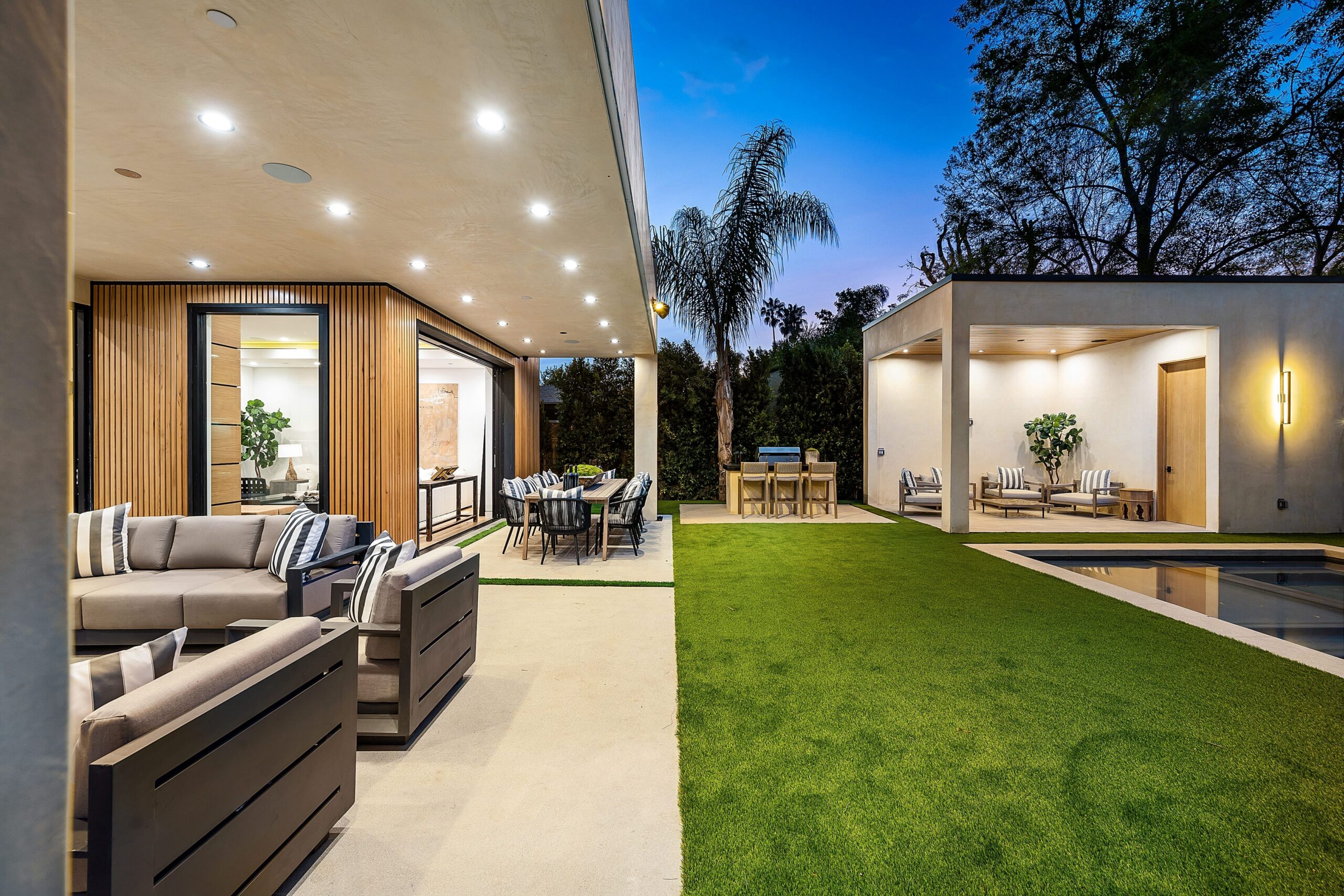

Rich’s Landscaping acknowledges that landscaping has shifted away from the small square patio tucked against the back door. Homeowners are investing in larger, better-drained outdoor rooms built to survive a freeze-thaw winter. Hardscaping and paver trends below reflect what contractors are actually installing this year, along with the costs and construction details behind each one.
Trends matter less than execution, so each section includes the base preparation, drainage and material notes that separate a patio lasting 25 years from one that heaves after three winters. Regional soil and climate shape every decision.
1. Large-Format Pavers and Cleaner Joint Lines
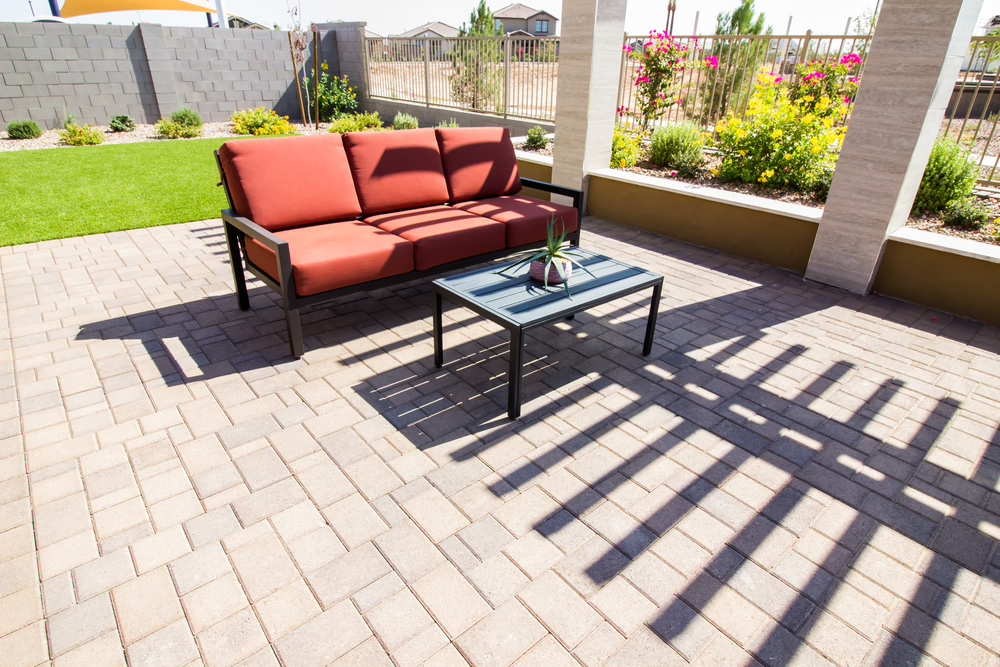
The tumbled cobble look that dominated the early 2000s has given way to large-format slab pavers, typically 16×24, 24×24 or 18×36 inches. Fewer joints produce a calmer surface that reads more like poured stone without the cracking risk associated with monolithic concrete. Manufacturers including Techo-Bloc, Unilock and EP Henry all carry slab lines stocked by regional suppliers.
Large units demand a flatter, more precise base. Installers generally build a 6 to 8 inch compacted 2A modified stone base, then screed a thin bedding layer of clean stone rather than concrete sand. Any dip that would disappear under a 4×8 brick becomes an obvious rock under a 24 inch slab.
- Best applications: open patio fields, pool surrounds, wide walkways
- Typical installed cost for paver installation in Bucks County: roughly $28 to $45 per square foot depending on unit and site access
- Watch for: narrow side yards, where large pieces require frequent cutting and waste climbs
2. Permeable Paver Systems Driven by Stormwater Rules
Permeable interlocking concrete pavement continues to gain ground, partly for aesthetics and partly because several local townships count impervious coverage carefully during permit review. Water passes through wide, stone-filled joints into an open-graded stone reservoir below, then infiltrates the subgrade instead of running toward a neighbor’s yard. The EPA’s stormwater guidance identifies permeable paving as one of the more practical residential runoff controls.
The construction profile differs substantially from a standard patio. Rather than compacted modified stone, the base uses clean, angular aggregate in graded layers, often 10 to 18 inches deep, sized to the expected rainfall and soil infiltration rate. That extra depth explains the price premium.
- Cost premium: generally 20 to 35 percent above a comparable standard paver installation
- Maintenance: joint aggregate needs vacuuming or replenishment every few years to prevent clogging
- Bonus: surfaces drain quickly after storms and rarely hold ice sheets in winter
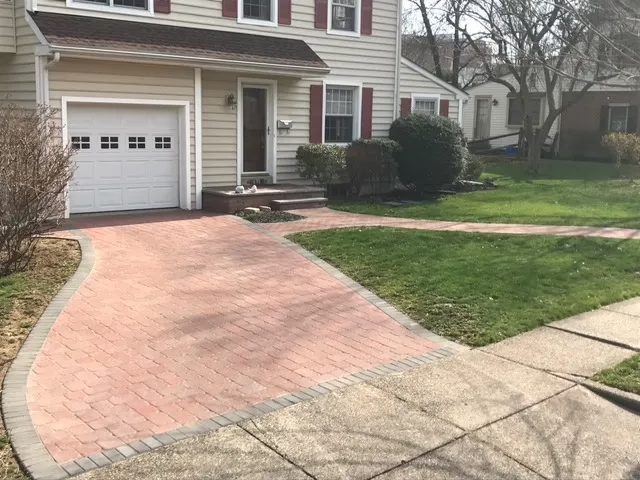
Homeowners planning a decorative driveway in Bucks County or a large patio near a stream corridor should confirm township requirements before design work begins. Permeable design occasionally reduces or eliminates the need for a separate detention basin.
3. Outdoor Kitchens Built Into the Hardscape, Not Rolled Onto It
Freestanding grill carts are being replaced by masonry structures set on their own reinforced footings. A properly built outdoor kitchen sits on a concrete pad or compacted base extending below the regional frost line, roughly 36 inches in southeastern Pennsylvania, so the counter does not shift independently of the patio.
Popular configurations this year include an L-shaped counter with a built-in gas grill, a 24 inch refrigerator, storage drawers and a section of bar seating with an overhang. Porcelain and sintered stone countertops have gained share over granite because they resist staining and handle temperature swings well.
- Compact grill station: approximately $9,000 to $15,000 installed
- Full L-shaped kitchen with appliances: commonly $25,000 to $45,000
- Utilities: gas line runs and dedicated GFCI circuits add $1,500 to $4,000 in most cases
Placement deserves attention. Prevailing summer breezes in the region run from the southwest, so orienting the cooking zone downwind of the dining area keeps smoke away from guests.
4. Multi-Level Patios With Sitting Walls and Integrated Lighting
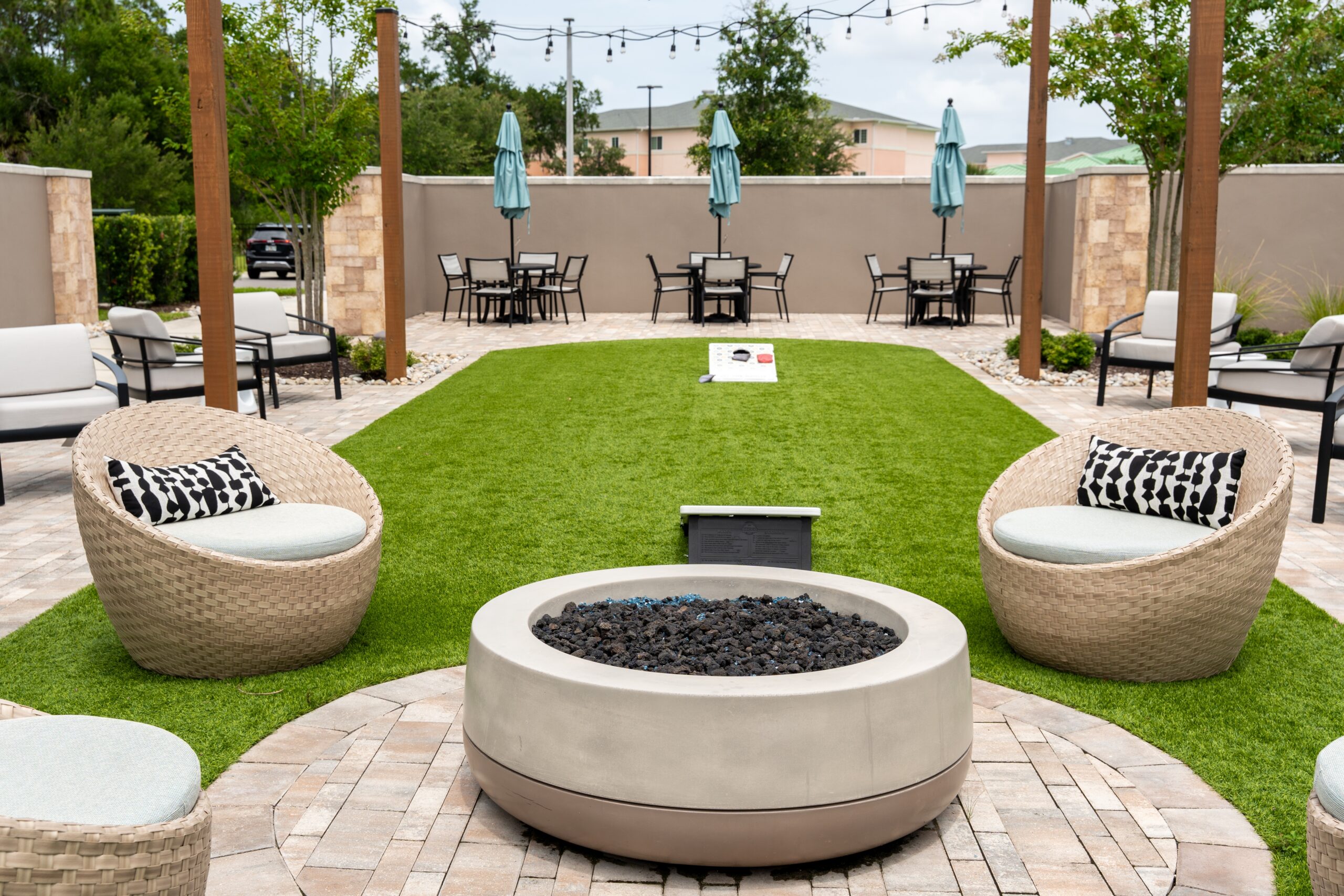
Many local lots slope, and rather than fighting the grade with fill, designers are working with it. Splitting a patio into two or three levels connected by broad steps creates defined zones: dining near the house, a lounge area around a fire feature, and sometimes a lower landing near a garden or pool.
Seat walls at 18 to 20 inches tall double as retaining structures and casual seating, adding roughly 12 to 16 linear feet of capacity for the cost of a single wall run. Segmental retaining wall block above four feet generally requires engineering and geogrid reinforcement, which is worth confirming during design rather than after excavation.
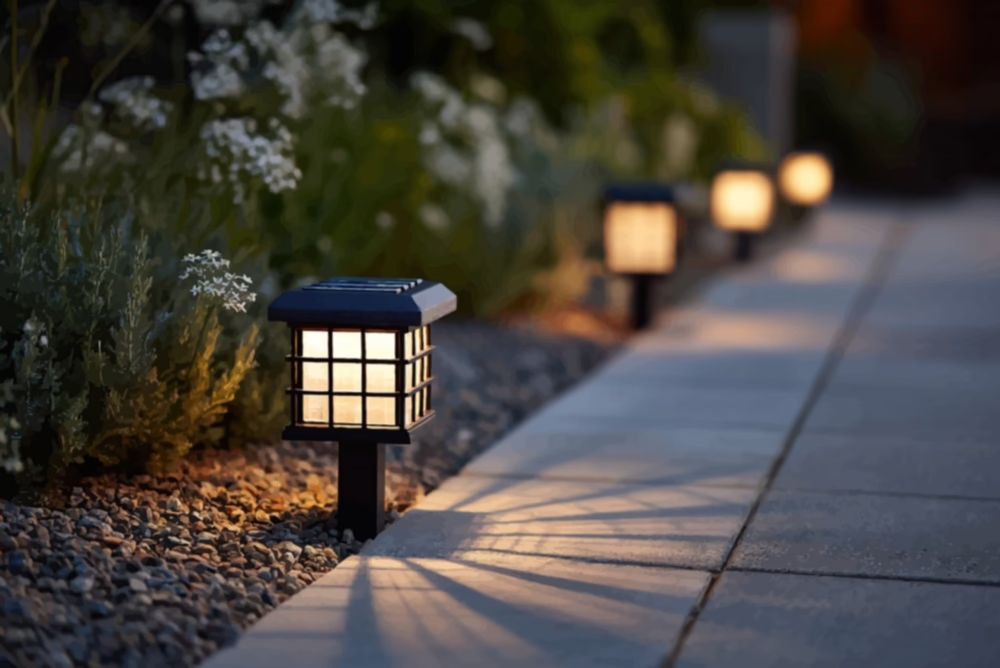
Low-voltage lighting has become standard rather than an upgrade. Recessed wall lights washing down steps improve safety on uneven grades, and warm 2700K fixtures avoid the harsh look of cooler color temperatures.
- Seat wall: approximately $90 to $160 per linear foot installed
- Low-voltage lighting: roughly $180 to $350 per fixture including transformer and wiring
- Steps: commonly $350 to $700 per tread depending on material
5. Mixed Materials and Weathered, Muted Color Palettes
Single-color patios are giving way to layered material combinations: a large-format field with a contrasting soldier course border, natural bluestone treads on paver risers, or a thin porcelain inset marking a dining zone. The mix breaks up large surfaces visually and lets a patio relate to existing stone on older farmhouses.
Color choices have shifted toward muted greys, warm sand tones and soft charcoal blends. Heavy red and tan blends now read as dated to many buyers, though they still suit certain brick colonial exteriors.
Manufactured units carrying an ICPI-recognized specification typically test above 8,000 psi compressive strength, well beyond most poured concrete, which is why properly installed pavers handle de-icing cycles better than a slab. Individual units can also be lifted and reset if a tree root or utility repair disturbs a section.
Planning and Timing
Rich’s Landscaping noticed demand concentrates in spring, and reputable crews often book six to twelve weeks out by March. Fall installation, from mid-September through November, frequently offers better scheduling and equally good results, since paver work does
not depend on planting windows.
- Confirm property lines, easements and impervious coverage limits with the township
- Call PA One Call at 811 before any excavation, which is required by state law
- Approve a design and material selection, allowing two to four weeks for specialty orders
- Schedule excavation and base work, typically two to five days for an average patio
- Complete paver setting, cutting, edge restraint and polymeric sand jointing
A 400 square foot patio with a seat wall and lighting usually runs seven to twelve working days, weather permitting. Wet spring conditions can extend that timeline because base material must be compacted at proper moisture content.
Frequently Asked Questions
Paver Patio Cost
Most paver patio contractors in Warminster run $22 to $45 per square foot installed, placing a typical 400 square foot project between $9,000 and $18,000. Pricing varies with base depth, site access, material selection and whether steps, walls or lighting are included.
Paver Patio Lifespan
A properly installed paver patio typically lasts 25 to 40 years, and most manufacturers offer lifetime transferable warranties on the units themselves. Longevity depends almost entirely on base preparation and drainage rather than the pavers.
Do paver patios settle or heave in winter?
Well-built patios with 6 to 8 inches of compacted base and positive drainage rarely heave, because water drains before it can freeze and expand. Settling usually traces back to insufficient compaction or water directed toward the patio from downspouts.
Are permeable pavers worth the extra cost?
Permeable systems cost roughly 20 to 35 percent more upfront but can offset stormwater management requirements and eliminate standing water problems. They make the most sense on flatter lots with reasonably draining soils and on properties near impervious coverage limits.
Is a permit required for a patio?
Requirements vary by municipality, though many townships require zoning approval for patios over 200 square feet or for any structure affecting impervious coverage. Walls above four feet and roofed structures almost always require a building permit.
Start Your Project With Rich’s Landscaping
Rich’s Landscaping designs and builds paver patios, retaining walls and outdoor living spaces, with base construction and drainage detailing suited to local soils. Contact Rich’s Landscaping to schedule a site visit and review material options and pricing for the property.