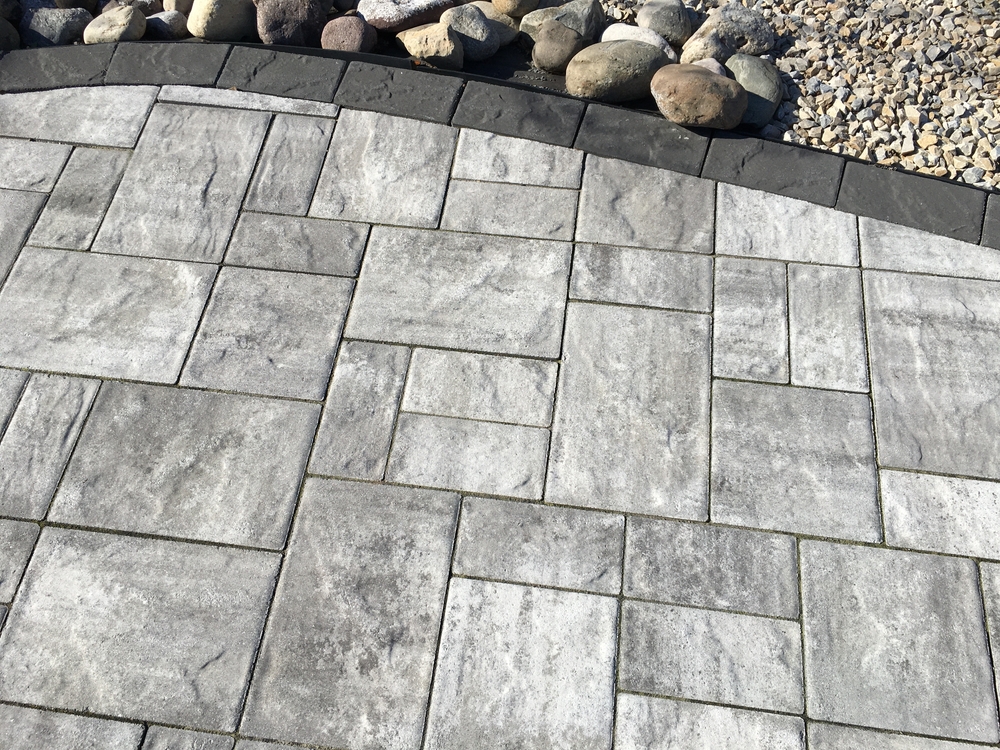

A full-color bluestone patio and an interlocking concrete paver patio often land within a few dollars per square foot of each other on the estimate, yet they age along very different paths. Homeowners who call paver installers in Warminster usually arrive with a photo of one material and questions about the other. The honest answer depends on four things: how the surface will look in ten years, how it behaves when wet, how much upkeep the household tolerates, and how the soil underneath moves through a freeze-thaw cycle.
Rich’s Landscaping installs both, and the material that wins changes from property to property. A shaded walkway under mature oaks has different demands than a south-facing pool deck.
What Actually Sits Under Your Feet
Natural stone for patios generally means Pennsylvania bluestone quarried in the northeastern part of the state, with irregular flagstone and sawn-dimensional squares and rectangles as the two common formats. Thickness runs about 1 to 1.5 inches for dry-laid work and closer to 1 inch for stone set in mortar over a concrete slab.
Interlocking concrete pavers are manufactured units pressed at high density and cured to a published strength standard. Units sold for residential work must meet ASTM C936, which calls for an average compressive strength near 8,000 psi and water absorption of no more than roughly 5 percent. The Concrete Masonry and Hardscapes Association maintains the installation guidelines most reputable contractors follow for base depth and edge restraint.
Standard pedestrian pavers measure 60mm thick, while 80mm units are specified for driveways and anywhere a vehicle might cross. That difference matters more than the color on the sample board.
Appearance: Variation Versus Consistency
Bluestone reads as one of a kind because it is. Full-color stone ranges through blue-gray, rust, lilac, and green within a single pallet, and irregular flagstone laid by a skilled mason produces joint lines no manufacturer can imitate. On older farmhouses and stone colonials, that irregularity is usually the point.
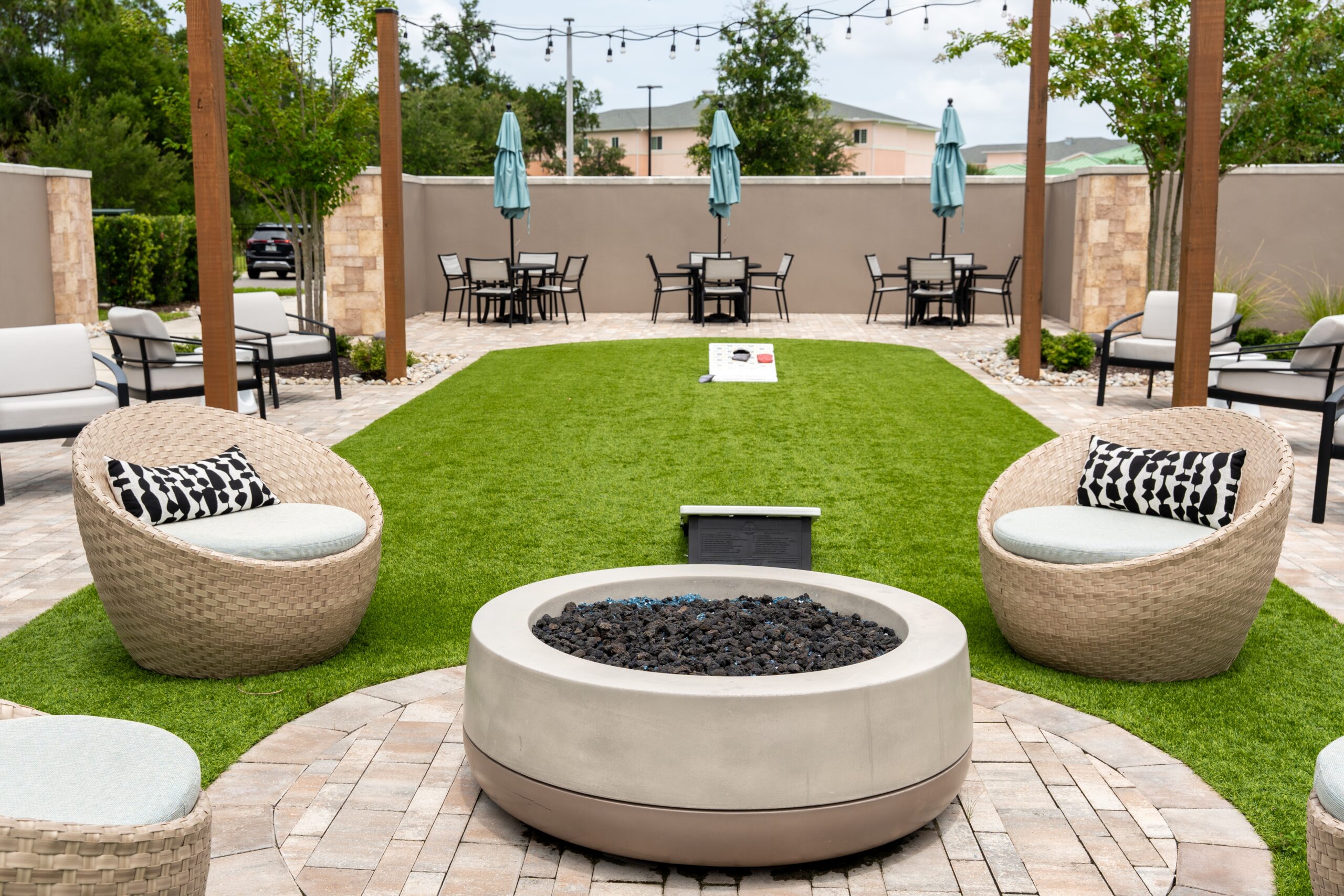
Concrete pavers deliver the opposite virtue: predictability. Current tumbled and textured lines mimic quarried stone closely enough that most guests never look twice, and the repeatable sizing allows precise patterns such as herringbone, running bond, and basketweave.
- Color stability: Bluestone holds its tone indefinitely, though it darkens when wet and lightens with decades of sun. Quality pavers may soften perhaps 10 to 15 percent in color intensity over 15 years.
- Pattern control: Pavers allow borders, soldier courses, and inlays with tight, uniform joints. Irregular stone resists that discipline.
- Repair matching: Replacing a cracked paver means pulling one unit and setting a matching spare. Matching a broken flagstone 12 years later takes patience and luck at the stone yard.
- Scale: Large bluestone pieces, 24 by 36 inches and up, suit wide formal terraces. Smaller paver units handle curves and tight walkways more gracefully.
Slip Resistance When the Surface Is Wet
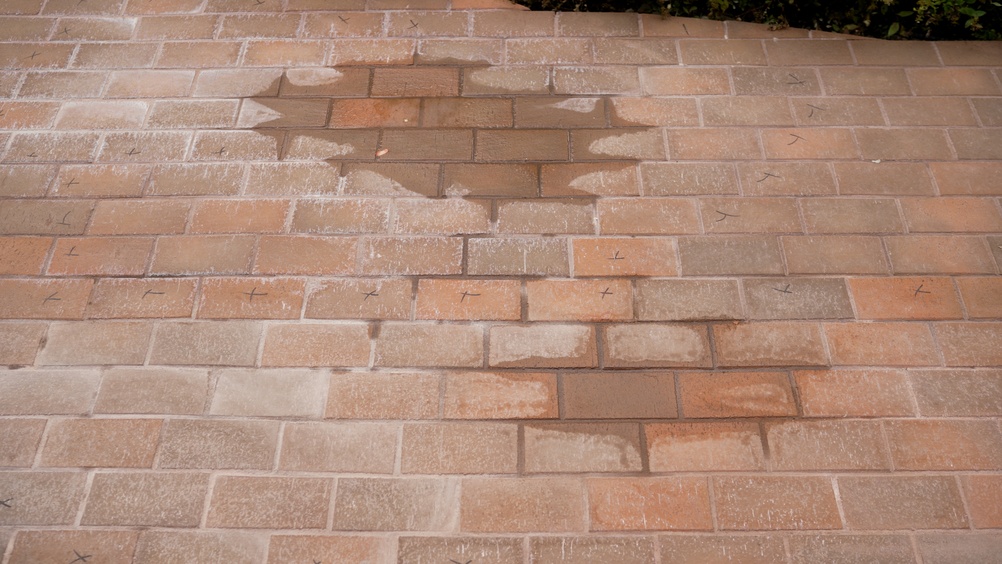
Thermal-finished bluestone, meaning stone that has been flame-treated, has a gritty surface texture that performs well in rain. Natural cleft flagstone, with its uneven split face, also grips reasonably. The problem appears with honed or sawn-smooth stone, which turns noticeably slick when wet and holds a thin ice film longer than textured surfaces.
Tumbled and textured concrete pavers are consistently grippy across the full field because the texture is pressed into every unit. For pool surrounds, steps and shaded north-side walkways, that consistency is worth more than visual uniqueness. Industry practice calls for a wet dynamic coefficient of friction of at least 0.42 on surfaces expected to be walked on while wet.
Algae is the hidden variable. Shaded flagstone joints collect organic film within two or three seasons, and that film, not the stone itself, causes most slips.
How Each Material Survives Local Freeze-Thaw
Winters typically run through 50 to 70 freeze-thaw cycles per season, and every one of those cycles drives water expansion inside whatever sits on the ground. University extensions have long documented how soil moisture and frost movement affect everything built on clay and silt loam soils.
Dry-laid installations of either material tolerate this movement because the system flexes. Mortared stone over a poured slab does not flex, which is why the cracked mortar joints and heaved corners seen on older patios usually trace back to a rigid assembly on an inadequate footing.
Thin bluestone is the more fragile option under load. Pieces under 1 inch set over an imperfect base crack at the weak seams, often within five to eight winters. Properly manufactured 60mm pavers rarely crack from frost alone; when a paver patio fails, the base was the problem.
Maintenance Over a Twenty-Year Horizon
Neither surface is maintenance-free, but the chores differ. Paver patios need joint sand refreshed as it washes out, while stone patios need attention to the joints and periodic cleaning of organic staining.
- Polymeric sand: Plan on resweeping paver joints every 6 to 10 years, sooner on slopes or where a leaf blower is used aggressively.
- Weed and moss control: Wide flagstone joints invite growth. Expect two or three treatments per season on a shaded stone walkway.
- Sealing: Optional on both. Sealed pavers hold color and resist grease; sealing bluestone every 3 to 5 years reduces efflorescence and salt etching.
- De-icing: Calcium chloride and rock salt pit natural stone over time. Calcium magnesium acetate is gentler on both surfaces.
- Settling repairs: Lifting and relaying a sunken 30-square-foot section of pavers typically costs $400 to $900, far less than re-mortaring stone.
What Each Option Costs Installed in 2026
Pricing moves with access, excavation depth, and how much of the yard a wheelbarrow has to cross. The ranges below reflect typical paver installation in Bucks County on reasonably level residential lots.
- Dry-laid concrete pavers, patio or walkway: roughly $22 to $34 per square foot installed over a compacted 6 to 8-inch aggregate base.
- Dry-laid natural bluestone: roughly $30 to $48 per square foot, with irregular flagstone at the higher end because of cutting and fitting labor.
- Mortared bluestone over a new concrete slab: roughly $48 to $75 per square foot, reflecting two separate trades and a longer schedule.
- Driveway-rated 80mm pavers: roughly $28 to $42 per square foot with a 10- to 12-inch base.
A 400-square-foot rear patio therefore lands near $9,000 to $13,500 in pavers and closer to $12,000 to $19,000 in dry-laid bluestone. The gap widens on complex layouts with curves, steps, and seat walls.
Matching the Material to the Project
Front walkways on historic or stone-faced homes almost always look better in bluestone, and the square footage is small enough that the premium stays manageable. Rear patios that host furniture, grills, and foot traffic from kids tend to favor pavers for repairability.
Pool decks go to textured pavers in most cases because of slip performance and salt exposure. Driveways and parking aprons are a paver decision outright, since natural stone thin enough to be affordable is too thin to carry a vehicle.
Frequently Asked Questions
How Long Does a Paver Patio Last Compared to Bluestone?
Both last 30 years or more when the base is built correctly, with the stone itself outliving the installation. Concrete pavers may fade slightly after 15 years, while bluestone keeps its color but is more likely to chip or crack at thin edges.
Is Bluestone Too Hot for Bare Feet Around a Pool?
Dark bluestone can reach 130 degrees Fahrenheit or more in direct July sun, roughly 10 to 20 degrees hotter than light-toned concrete pavers. Lighter gray stone and pale paver blends in buff or sand tones stay noticeably cooler for pool surrounds.
Can Pavers Be Installed Over an Existing Concrete Patio?
Yes, if the slab is structurally sound, drains away from the house, and the resulting height still leaves 6 inches of clearance below door thresholds and siding. Overlay installations typically save 15 to 25 percent on demolition and disposal.
What Time of Year Is Best for Installation?
April through early November covers the practical window, with late summer and early fall offering the most stable soil moisture. Polymeric sand requires dry conditions above 32 degrees to cure, which limits late-season work.
Get a Material Recommendation for Your Property
Rich’s Landscaping walks the site, checks drainage and soil conditions, and shows samples of both bluestone and paver lines next to your home’s existing masonry before quoting anything. Contact Rich’s Landscaping to schedule a walkthrough for a walkway, patio, or pool deck.