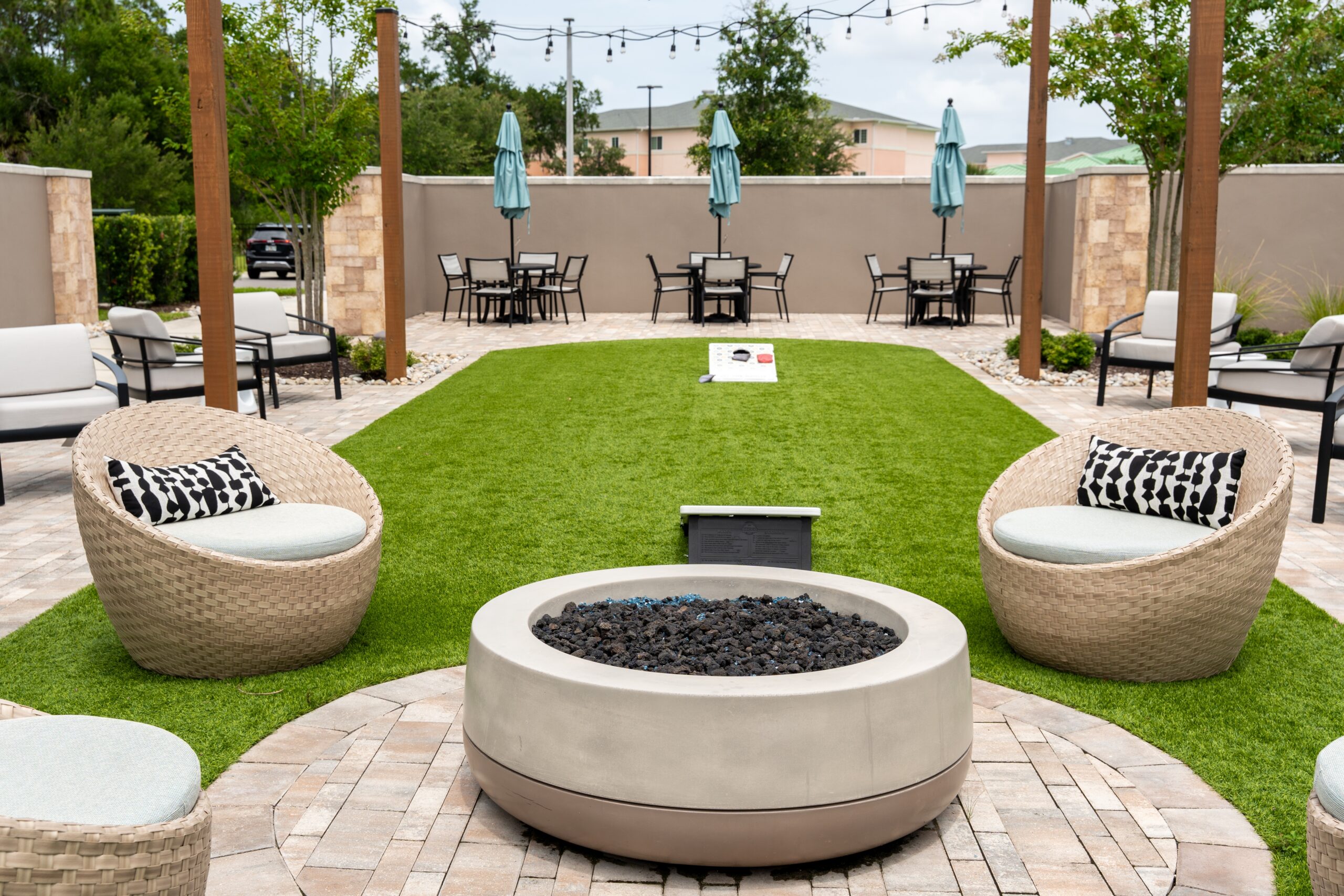

A custom fire pit extends the usable season of a backyard by several months, which is why it has become one of the most requested features of hardscaping in Bucks County. Between the damp shoulder seasons of March and May and the crisp evenings that run from September into November, a permanent fire feature turns roughly half the calendar into patio time. The value is practical as well as social, and it shows up in both daily use and resale appeal.
Rich’s Landscaping notices homeowners often compare a fire pit against a deck expansion, a pergola or a full outdoor kitchen. The fire pit usually wins on cost per hour of enjoyment, and it demands far less maintenance than wood structures exposed to winters.
Why Fire Features Deliver Strong Returns
Outdoor living projects consistently rank near the top of homeowner satisfaction surveys, and fire features sit in the upper tier. The National Association of Realtors publishes annual research on remodeling and outdoor projects showing that landscape and hardscape upgrades recover a substantial share of their cost at resale while scoring high on owner enjoyment.
The practical logic is straightforward. A fire pit anchors a patio the way a fireplace anchors a living room, giving the space a purpose beyond storing furniture. Buyers touring a property in the fall notice that immediately
.
- Season extension: Radiant heat from a properly sized fire pit keeps a seating circle comfortable down to roughly 40 degrees Fahrenheit with a jacket.
- Low ongoing cost: A wood-burning pit costs nothing to run beyond firewood, typically $250 to $450 per season for regular use.
- Structural permanence: Mortared stone and segmental block units last 25 years or longer with minimal upkeep.
- Design flexibility: The same materials used for walls, steps and patio borders tie the whole yard together visually.
Wood-Burning Versus Gas: Choosing the Right Fire
Wood-Burning Fire Pits
Wood remains the most popular choice for rural and semi-rural properties with room to burn safely. The sound, smell and heat output are difficult to replicate, and the build cost is lower because no gas line or permit is required in most townships. The trade-offs are smoke management, ash cleanout and firewood storage.
Wood-burning pits need a diameter of at least 36 to 44 inches inside the burn area to hold a proper fire and keep flames away from the seating edge. Smaller units look elegant but often disappoint on heat.
Gas and Propane Fire Pits
Rich’s Landscaping recommends natural gas or propane units suit tighter lots, due to smoke potentially blowing into a neighbors yard. Ignition takes seconds, output is adjustable, and there is no ash to shovel. Running a dedicated natural gas line from the meter generally adds $1,500 to $3,500 depending on trench length and whether the run crosses a driveway.
Gas burners also allow low-profile designs, including linear fire tables integrated into a seat wall. That configuration works well where a traditional round pit would crowd the patio.
Typical Cost Ranges in 2026
Fire pits in Doylestown pricing varies with material, size and site access, but most projects fall into predictable bands. Steeply sloped yards or long wheelbarrow runs from the street add labor and push figures toward the higher end.
- Prefabricated block kit on a compacted base: roughly $3,000 to $5,500 installed, including a modest surrounding patio area.
- Custom mortared natural stone pit: roughly $5,500 to $12,000 depending on stone selection and wall height.
- Gas fire pit with burner, key valve and line: roughly $7,000 to $16,000 all in.
- Fire pit plus surrounding patio and seat wall: commonly $18,000 to $35,000 as a single hardscaping project.
Bundling the fire pit with patio work almost always costs less than adding it two years later. Mobilization, base excavation and material delivery get paid once instead of twice.
Materials That Survive Pennsylvania Freeze-Thaw Cycles
Local cycles above and below freezing dozens of times each winter, and that repetition destroys poorly built masonry. Water enters small voids, freezes, expands and gradually separates joints. Material selection and base preparation determine whether a pit looks the same in year fifteen.
- Fire brick liner: The interior burn chamber should be lined with refractory brick rated for direct flame contact, since standard concrete blocks can spall when heated repeatedly.
- Dense fieldstone or granite: Local fieldstone and Pennsylvania bluestone caps handle moisture well and match older stone farmhouses.
- Segmental retaining wall block: Manufactured units offer consistent dimensions and a lower price point with strong freeze-thaw ratings.
- Compacted aggregate base: A minimum 8 to 12 inches of compacted crushed stone under the structure prevents settlement and frost heave.
Mortared structures generally need a footing that reaches below the local frost line, commonly around 36 inches in this region. Dry-laid block pits tolerate seasonal movement better and can be reset if a course shifts.
Placement, Clearances and Safety
Location decisions carry more weight than most homeowners expect. Prevailing winds usually run west to northwest, so seating placed east of the fire catches the smoke on many evenings. A skilled designer accounts for wind, sightlines from the kitchen window and the path from the back door.
General clearance guidance calls for at least 10 to 25 feet between an open fire and any structure, fence line or overhanging tree canopy, though township ordinances differ. Several municipalities regulate recreational fires by size and fuel type, and the National Fire Protection Association publishes safety guidance worth reviewing before the first burn.
- Confirm setback requirements with the township zoning office before excavation begins.
- Keep a hose or extinguisher within reach of the seating area at all times.
- Avoid placing a pit directly under mature oaks or pines, since resinous debris and low limbs create ember risk.
- Allow 24 to 36 inches of clearance between the outer wall and the front edge of any seating for safe circulation.
Integrating the Fire Pit Into a Larger Plan
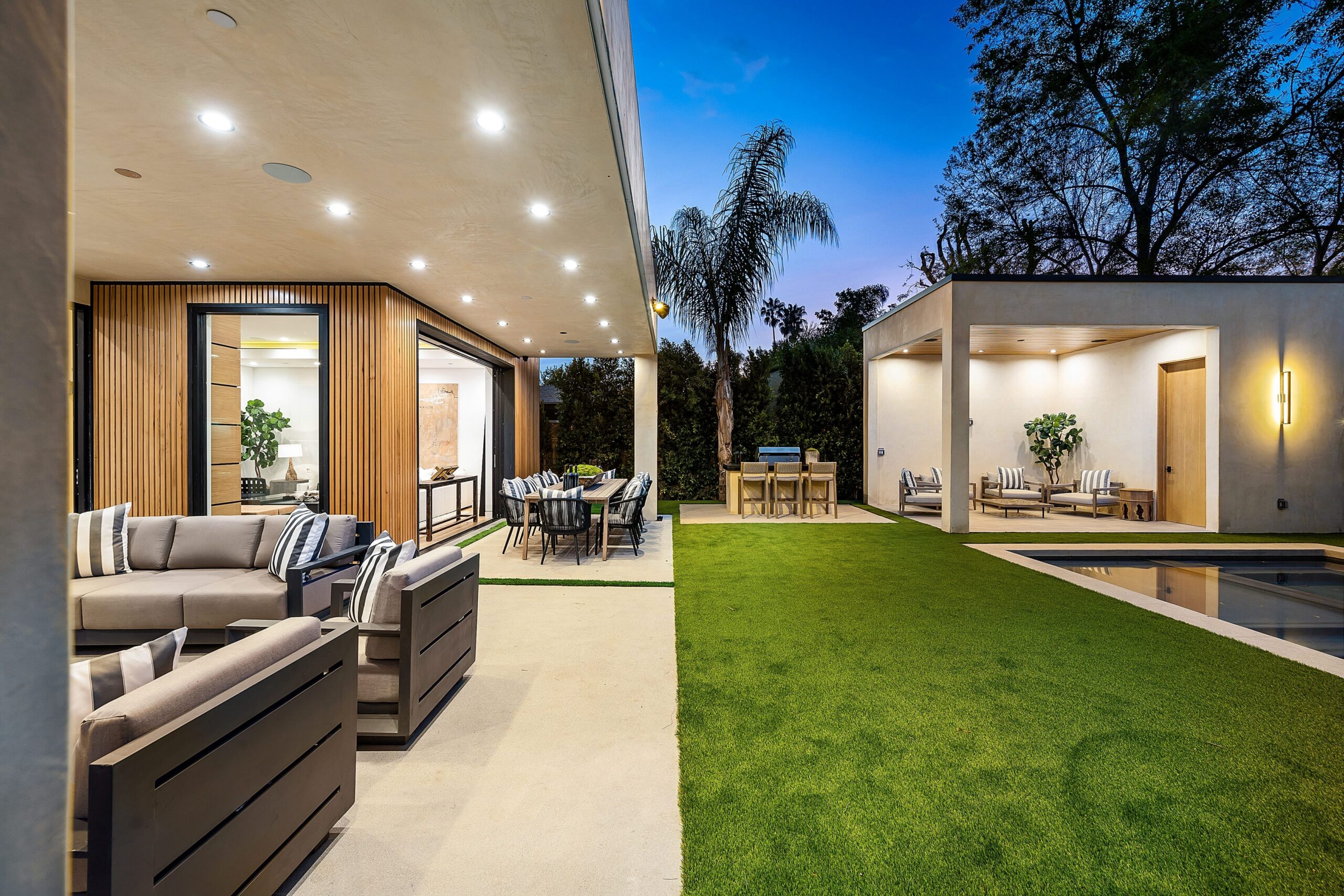
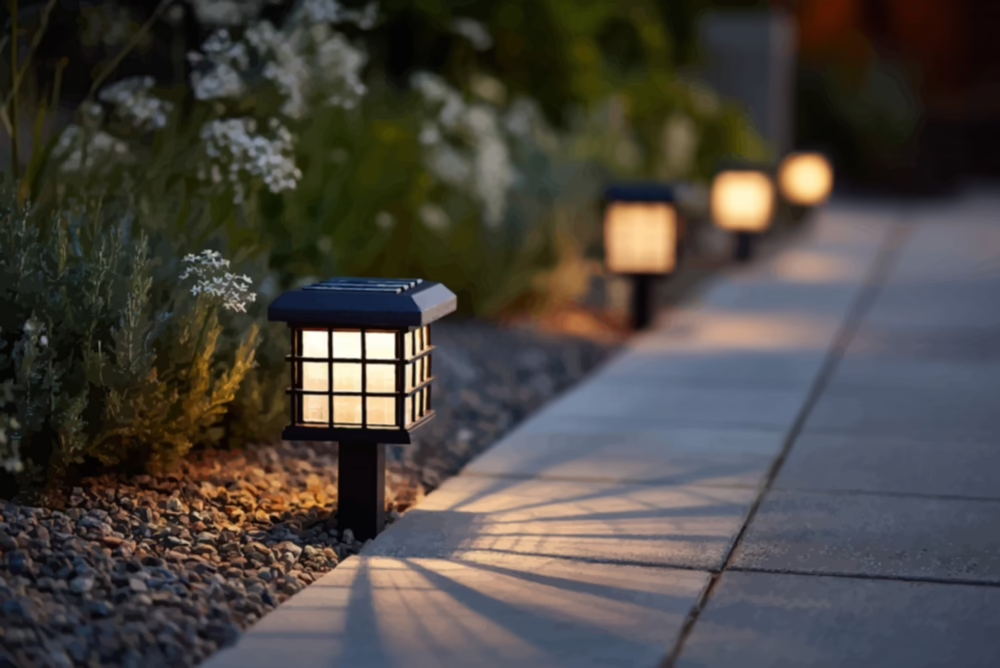
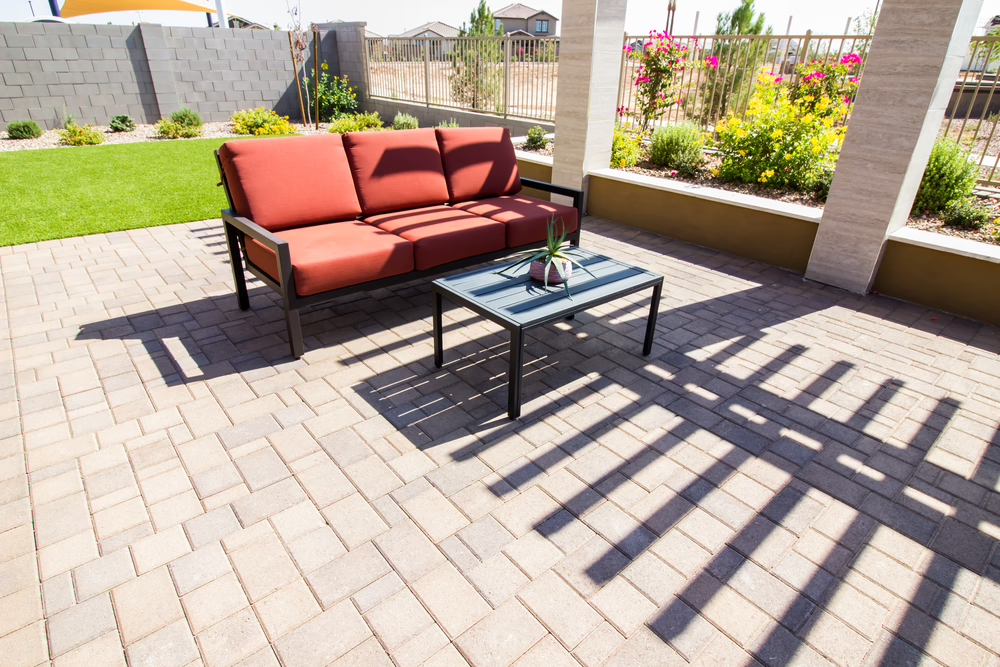
A fire pit rarely performs well as an isolated object dropped in the middle of a lawn. It works best as one element in a connected hardscaping layout that includes patio surface, walkway access, seat walls and low-voltage lighting. The seating circle typically needs a diameter of 16 to 20 feet to accommodate six chairs comfortably.
Grading matters as well. Water should move away from the seating area at roughly a two percent slope, which is about a quarter inch of fall per foot. Poor drainage turns an expensive patio into a puddle for three days after every storm.
Planting choices around the perimeter soften the masonry and provide a windbreak. Ornamental grasses, boxwood and native shrubs perform reliably in local soils without demanding constant attention.
Maintenance Expectations
Annual upkeep is modest. Ash should be removed once it accumulates past a few inches, since wet ash holds moisture against the liner and accelerates deterioration. Joints deserve a visual check each spring, and small mortar repairs cost far less than rebuilding a course.
Gas units need burner ports cleared of debris and spider webs before the first use of the season. A protective cover during winter months keeps snowmelt out of the burner pan.
Frequently Asked Questions
How long does installation take?
A standalone fire pit typically takes two to four working days, while a fire pit combined with a patio and seat wall usually runs one to three weeks. Weather delays and utility mark-out scheduling can add several days to either timeline.
What is the best size for a backyard fire pit?
An interior burn area of 36 to 44 inches suits most residential yards, with an overall outside diameter near 48 to 60 inches once wall thickness is added. Larger pits produce more heat but require a proportionally bigger patio to stay safe.
Can a fire pit be built on an existing patio?
Yes, provided the existing base is properly compacted and the surface material tolerates heat. Poured concrete and thick natural stone handle it well, while thin pavers set on sand may need a reinforced footing installed underneath.
Planning a Fire Pit for the 2026 Season
Spring installation calendars fill quickly, and design work usually begins two to three months ahead of construction. Rich’s Landscaping designs and builds custom fire pits and full hardscaping layouts throughout the county. Contacting Rich’s Landscaping is the fastest way to get accurate numbers for a specific yard.