
It is more than just an eyesore to have that awkward drop from your back door to the patio. It is an inevitable trip hazard. Although your outdoor living area is wonderful, accessing it seems like an afterthought. Your house and yard can be beautifully connected with a well-designed layout. The first step in creating the ideal backyard flow involves understanding how to plan stairs that lead to the patio.
Before You Start: Planning is Everything
It’s a common mistake to dive straight into construction. Before you make any purchases or dig any holes, you must have a well-thought-out plan. Planning your paver steps properly will save you money, time, and a lot of headaches down the road.
Measure Everything Twice
Math is the most important element of your stair design. You need to determine the total run and the total rise. The vertical distance between the top of your concrete patio and the threshold of your door is known as the total rise.
The horizontal distance the stairs will travel is known as the total run. A comfortable step should have a tread depth of approximately 11 inches and a rise of roughly 7 inches. These figures will help you determine the precise number of paver steps you require.
Measure the overall rise in inches first. Next, divide that figure by 7. This is an important part of planning for a successful patio project and gives you an approximate idea of how many steps you need. Experienced patio builders in Horsham can help you calculate accurate measurements and proportions, making sure each step in your stair design is both functional and comfortable.
Check Local Building Codes
Although it’s not particularly exciting, this part is extremely important. Safety is the reason your local building department has regulations. The minimum tread depth and maximum riser height permitted are specified by these local building codes.
They also outline when adding a handrail is necessary. If you have four or more risers, the majority of codes, such as those from the International Code Council, require a handrail. You risk fines and unsafe stairs if you ignore these codes when building your paver steps.
For details on railing designs and footing depth, it’s a good idea to consult your local building codes before building paver steps. Patio planning resources can be obtained with a brief phone call or in-person visit to your building department. This keeps your outdoor living project free of expensive errors.
Sketch Out Your Ideas
Drawing a basic sketch doesn’t require you to be an architect. You can see how the stairs will fit in your room with the help of a drawing. Will they turn, descend in a straight line, or ascend in a grand spiral staircase?
Consider how people will move around the outdoor furniture and the flow of traffic from the door to the patio. Large design issues can be avoided with a simple sketch. Before you commit to building your dream patio and paver steps, it helps you see the finished product.
Choosing Your Stair Materials
Your stairs’ appearance, cost, and upkeep are all impacted by the material you select. Your selection should complement the material of your patio and the style of your house. You can choose from a wide range of premium options for your outdoor living area.
Built to Last: Permeable Pavers
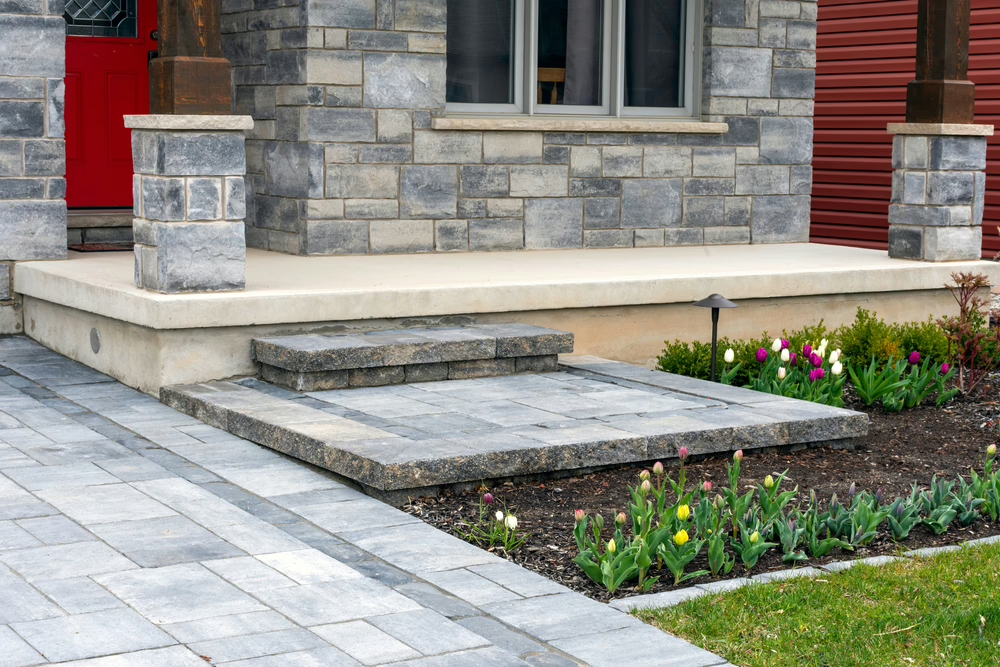
Permeable pavers are an excellent choice if you want long-lasting stairs with superior durability. Interlocking concrete or natural stone pavers provide excellent traction and are highly resistant to shifting and cracking. Another option is to use clay brick pavers, which offer timeless elegance and natural beauty.
With this step design, you can create a unique look that perfectly complements your patio while managing water drainage effectively. The investment is worthwhile for the durability and aesthetic appeal. Installation is typically a job for a professional paver contractor, ensuring proper base preparation and compaction for long-term performance.
Modern and Elegant: Natural Stone
Natural stone steps, including slate, limestone, or granite, provide a sophisticated, upscale appearance. These materials are incredibly durable and require minimal maintenance beyond occasional sealing. Each piece is unique, creating distinctive character in your outdoor space.
A slate or granite staircase can be a stunning focal point that elevates your entire landscape design. Natural stone pavers frequently give a timeless, elegant feel to your outdoor living area. Another durable option is tumbled stone, which offers a refined appearance with an understated aesthetic.
| Material | Average Cost | Maintenance Level | Lifespan |
| Concrete Pavers | Low to Medium | Low (occasional cleaning) | 25+ years |
| Clay Brick Pavers | Medium | Low (occasional cleaning) | 30-40 years |
| Natural Stone Pavers | Medium to High | Very Low (occasional sealing) | 40+ years |
| Granite/Slate | High | Very Low (occasional sealing) | 50+ years |
A Detailed Look at How to Design Stairs Down to Patio
Your vision begins to take shape at this point. You can create a useful outdoor space by following these steps.
What Is The Ideal Width for Patio Stairs?
Making them at least as wide as the door they lead from is a smart place to start. Your stairs should be at least 36 inches wide for a typical 36-inch door. However, for outdoor areas, wider is usually preferable. Wide staircases seem more roomy and inviting. A four- or five-foot grand staircase can be more than just a means of descending; it can become a focal point of your backyard’s design, adding to the overall patio layout.
This choice may also be influenced by the height of the drop; wider paver steps tend to look better at higher elevations. The transition from the main patio to the lower patio area is smooth thanks to this method. The patio’s visual appeal and functionality are improved with this layout.
To Land or Not to Land
A landing is a level area that separates a set of stairs. A landing can make the descent safer if your stairs must cross a significant vertical drop. It also provides a spot to stop and take in the scenery.
Make sure to check local requirements as building codes may require a landing after a specific number of vertical feet. If you need to change direction while using the stairs, landings are also helpful. To add architectural interest, you can design a staircase that is L- or U-shaped with a landing.
The Importance of Handrails
Their main role is to provide safety, particularly for older adults and children. Sturdiness and ease of grip are essential for your stair railing. Additionally, handrails add style to your outdoor living space. A straightforward wrought iron railing gives the space a classic vibe. While there are numerous railing options in between, a sleek metal or cable railing system provides a modern appearance.
Make sure the railing posts are firmly attached to the step structure, regardless of the option you select. For longevity and safety, proper installation is essential. You can create paver steps that are both safe and attractive by paying close attention to the details.
Adding Light for Safety and Style
You will also use your patio stairs in the evening. A vital aspect of the design that enhances atmosphere and safety is the addition of outdoor lighting. Your paver steps can have a variety of built-in lighting options.
Small lights can be mounted straight into the stair risers. Lighting on the handrail posts is another common option. Energy-efficient and adding a soft glow to your steps, low-voltage LED lighting significantly improves the area at night. For a polished and secure outdoor look, consider professional walkway lighting installation in Bucks County, PA, to highlight your patio stairs and create a warm, inviting atmosphere after dark.
Inspiring Ideas to Get You Started
Sometimes all it takes to spark your own original ideas is a few examples. You don’t have to have boring patio stairs. They can change the visual connection between your house and yard and be a striking element of your landscape design.
Create a Grand Entrance
Consider utilizing flared stairs with pavers. This means that the bottom step is substantially wider than the top step. This layout draws attention to the patio and produces a striking, welcoming effect that enhances a large living area.
Your patio is elevated by this design, which also makes an inviting focal point. This method turns straightforward paver steps into a striking architectural feature. Connecting a raised patio to a ground-level patio is a great idea.
Integrate with Your Hardscape
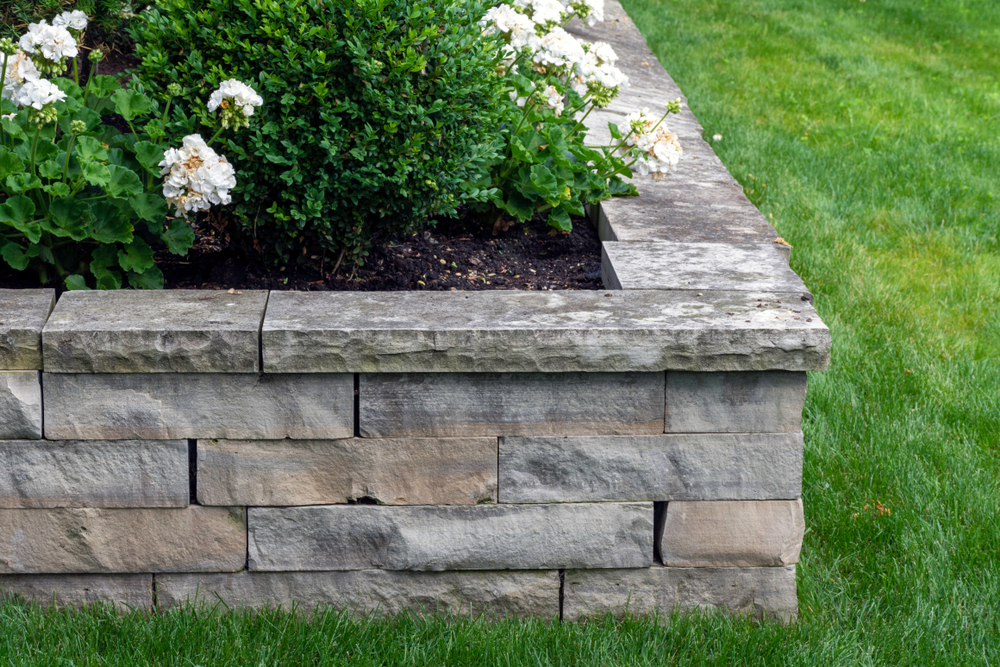
Why not incorporate planter walls directly into your staircase design? Wide steps with spaces for built-in paver planter boxes on the sides can be designed. This enables you to use vibrant flowers and greenery to soften the stairs’ hard materials.
This concept is especially effective on broad, mild slopes. A garden bed may be traversed by the stairs. It integrates your patio into the landscape and creates a more seamless transition from the house to the yard.
Start Planning Your Perfect Patio Stairs
That initial awkward drop from your door is a problem you can definitely fix. You can design stairs that are secure, long-lasting, and aesthetically pleasing by concentrating on careful planning. Don’t forget to measure everything precisely and check your local codes.
Making the correct material choices and including extras like outdoor lighting and a strong stair railing will make a huge difference. Your space is truly completed with this useful outdoor addition. You now have a strong basis on which to build paver stairs that lead to a beautiful patio.
You’ll feel much more connected and your backyard will appear more completed. The outcome of carefully planning your patio stairs will increase the value of your house and your enjoyment towards your outdoor living area. Contact Rich’s Landscaping today to start designing the perfect patio stairs and hardscape features that bring beauty, safety, and lasting value to your outdoor space.