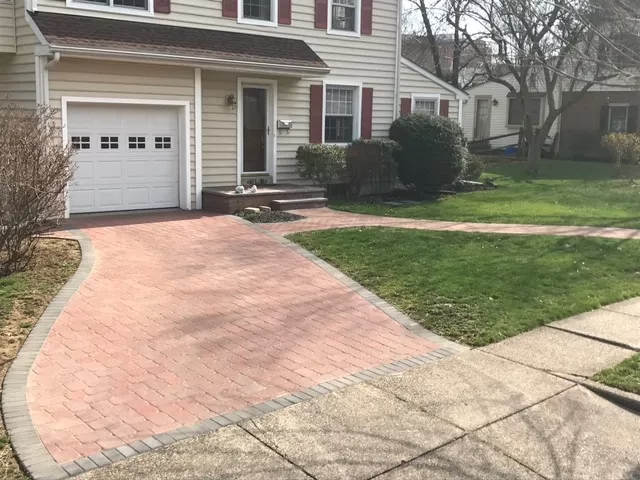

Your driveway floods after heavy rain. Water pools in your patio, creating puddles that stay for days. Your septic system struggles, and your municipality has sent notices about stormwater runoff. These are signs that your outdoor surfaces aren’t managing water properly. Most homeowners deal with these problems by accepting them or doing expensive drainage repairs. There’s a better solution: permeable pavers.
These surfaces let water drain through instead of sitting on top. They work with nature instead of against it. They satisfy local environmental regulations. They reduce flooding and septic stress. Most importantly, they transform how your outdoor spaces handle rain.
The Problem With Non-Permeable Surfaces
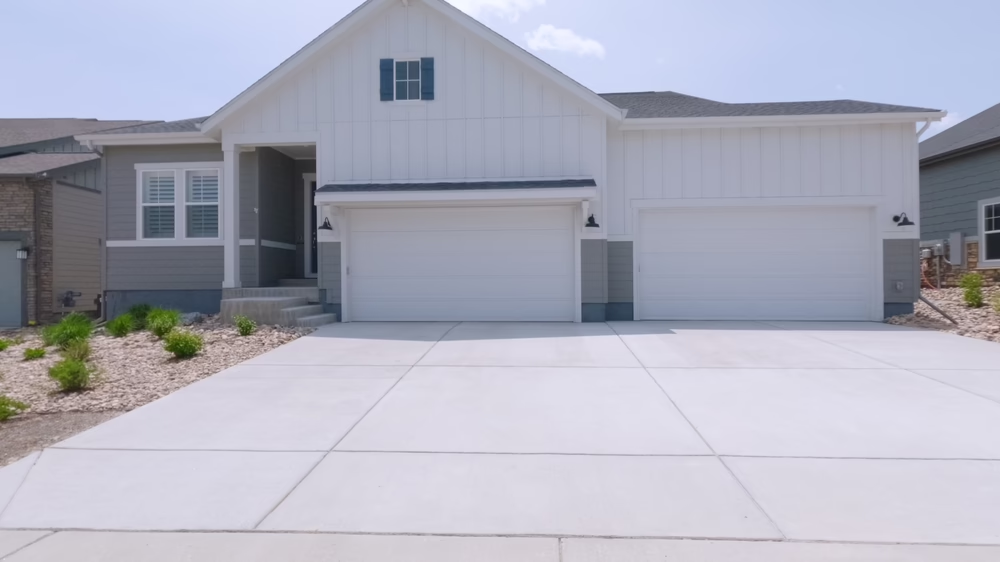
Traditional paving materials create a hard, impermeable barrier that water can’t pass through. Asphalt, concrete, and sealed pavers all work the same way. Water hits the surface and must go somewhere. It can’t soak into the ground. It sits on top, flowing wherever gravity takes it or pooling in low spots.
Water sitting on your driveway or patio stays wet, creating slippery surfaces. Mosquitoes breed in standing water, turning your outdoor space into an insect problem. The constant moisture accelerates wear on pavement materials and can damage underlying structures.
Beyond the immediate pooling problem, non-permeable surfaces create bigger neighborhood and environmental issues:
- Water runs off into storm drains instead of soaking into ground
- Storm drains can become overwhelmed during heavy rain
- Runoff carries pollution and debris into local waterways
- Ground aquifers don’t get recharged from rainfall
- Flooding increases in areas with extensive hardscaping
- Municipal costs rise for stormwater management infrastructure
How Permeable Pavers Actually Work
Permeable pavers manage water by allowing it to drain naturally through the surface instead of running off. Unlike traditional sealed pavers, they are designed with small gaps or porous materials that let water pass directly through. Beneath the surface, layers of gravel and sand are engineered specifically for drainage and filtration.
As water moves through these layers, dirt, oil residue, and other contaminants are filtered out before the water reaches the soil below. This process helps recharge groundwater rather than sending polluted runoff into storm drains.
Because of this layered design, water moves through a permeable paver system quickly, often within minutes. Properly installed systems, a key part of hardscaping in Blue Bell, can handle heavy rainfall without pooling, even in areas where traditional surfaces would collect water.
Permeable vs. Non-Permeable: Key Differences
Understanding the differences helps you make an informed decision about your outdoor surfaces.
Non-Permeable Surfaces
- Sealed surfaces that block water
- Water runs off and pools in low areas
- Absorb and radiate heat
- Faster, lower-cost installation
- Minimal upkeep, but materials break down over time
- May face local usage restrictions
Permeable Surfaces
- Allow water to drain through continuously
- Prevent pooling and reduce runoff
- Stay cooler at the surface
- Higher upfront cost with layered installation
- Require periodic surface cleaning
- Improve performance as materials settle
- Meet most stormwater regulations and support groundwater recharge
There is a significant functional difference. A non-permeable driveway turns into a makeshift river during a downpour, with water collecting in low spots or flowing to nearby locations. In just a few minutes, the same downpour on a permeable driveway is absorbed and drained, leaving the surface dry and secure.
How Permeable Systems Prevent Pooling
Pooling occurs when water collects faster than it can drain, which is common with non-permeable surfaces, especially on flat or low-lying ground. Permeable pavers prevent this by allowing water to drain straight through the surface instead of sitting on top. Drainage happens vertically, so slope is not required.
Rainwater moves through the paver gaps into a gravel base designed to hold and filter water before it passes through sand layers and into the soil below. Because water is constantly moving downward, it does not accumulate on the surface. Even during heavy rainfall, properly designed permeable systems drain quickly, turning previously muddy or wet areas into dry, usable spaces.
Permeable Paver Types and Materials
Several different types of permeable pavers are available, each with different properties and uses.
Permeable Concrete Pavers
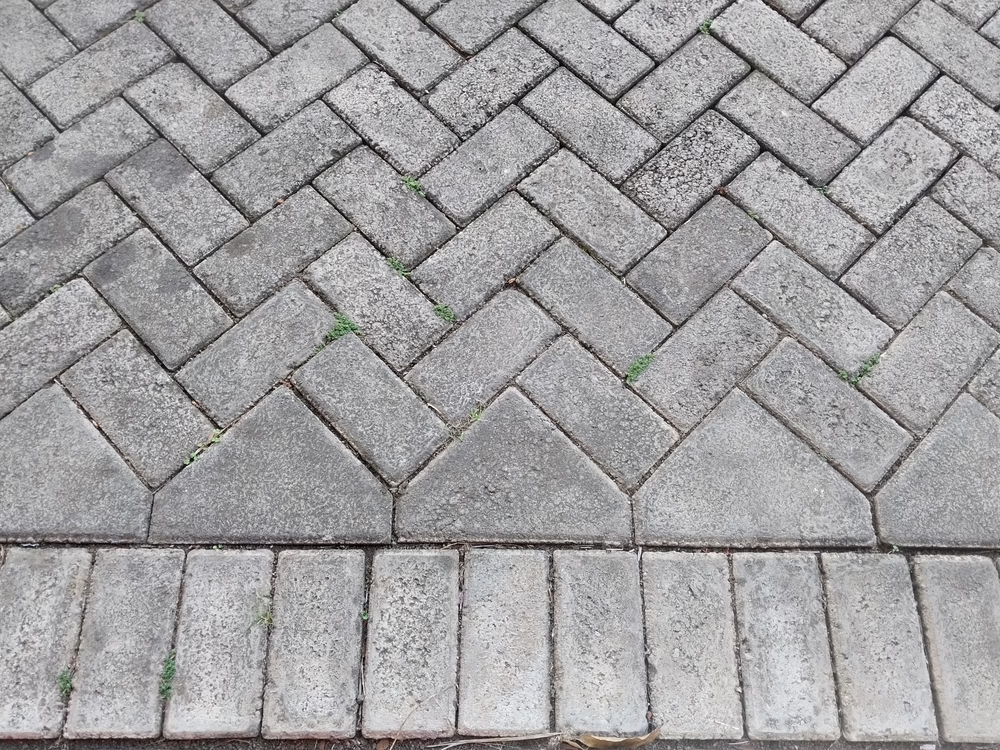
Permeable concrete pavers are solid pieces with specifically designed void space. During manufacturing, the concrete is mixed to create small internal air pockets. Water passes through these voids. The pavers are laid in gravel, allowing water to drain vertically through the paver and into the base layer. These pavers come in various colors and patterns. They look similar to traditional concrete pavers but function completely differently. Permeable concrete is durable and long-lasting.
Open-Grid Pavers
Open-grid pavers have a frame structure with significant gaps. The gaps are filled with soil or gravel that allows water to pass through. These pavers work well for low-traffic areas like yards or overflow parking. They’re visible as having open spaces between sections. Some people find them attractive for their natural appearance.
Permeable Asphalt
Permeable asphalt works similar to traditional asphalt but is manufactured with larger aggregate size and fewer binding materials. Water passes through the asphalt and into base layers below. Installation is similar to traditional asphalt but requires more careful base preparation. Permeable asphalt costs slightly more than traditional asphalt but handles drainage effectively.
Permeable Concrete Slabs
These are larger format permeable surfaces designed like traditional concrete. Larger slabs cover the area faster than individual pavers. Water drains through the material similarly to permeable pavers. These work well for large areas where pattern variety isn’t needed.
Recycled Plastic Pavers
Recycled plastic pavers are made from reclaimed plastic materials. They’re environmentally friendly and offer excellent drainage. These pavers are lighter than concrete, making installation easier. They’re becoming more popular as recycled material options expand.
Each type has different characteristics regarding cost, durability, appearance, and maintenance requirements. Professional installers can recommend the best option based on your specific needs and climate.
Satisfying Local Stormwater Regulations
Many municipalities limit how much stormwater can run off residential properties to reduce flooding and protect waterways. These rules typically require homeowners to retain or filter a portion of rainfall on-site, with standards varying by location and storm size.
Permeable pavers meet these requirements naturally by allowing water to drain into the ground instead of running off. Because runoff is minimized or eliminated, permeable surfaces often comply without the need for added drainage systems. Traditional concrete or asphalt surfaces, on the other hand, can trigger costly remediation such as rain gardens or retention systems.
Some municipalities also offer incentives like rebates or reduced stormwater fees for permeable installations. Working with experienced professionals helps confirm the system meets local regulations and passes required inspections.
Installation and Base Layer Design
Proper installation is essential for permeable pavers to drain effectively. Unlike traditional pavers, permeable systems rely on layered bases beneath the surface. The area is excavated 6–8 inches and leveled, then a 4-inch layer of open-graded gravel is lightly compacted to allow water flow. A 1–2 inch sand layer sits below to filter water and prevent soil from entering the gravel. Native soil forms the final layer, with optional underdrains for poorly draining sites.
Pavers are then laid with small gaps filled with permeable joint sand or gravel, allowing water to pass while stabilizing the surface. Professional installation ensures proper grading, layer thickness, and material selection, preventing drainage problems or shifting over time. Proper installation guarantees permeable pavers drain effectively, which is why hiring experienced paver installers in Warminster, PA, and the surrounding areas is essential for correct grading, layer thickness, and material placement.
Maintenance of Permeable Paver Systems
- Keep the surface clean: Dirt, leaves, and debris can clog pores and reduce drainage, so regular cleaning is essential.
- Sweep regularly: Remove surface debris and keep joints clear. Quarterly sweeping is typical, especially during leaf-fall or dusty seasons, and after major storms.
- Vacuum as needed: Use a specialized porous pavement vacuum to remove finer particles that sweeping may miss. Professional services can perform this annually or semi-annually.
- Be cautious with pressure washing: High-pressure water can damage pavers and joint material. If needed, use low pressure and proper technique, noting that some materials are more sensitive than others.
Over time, joint material may need to be updated:
- Permeable joint sand can get compacted or washed out
- Gravel joints might need occasional replenishment
- Weeds can grow in joints and should be removed
- Winter ice melt and salt can affect some materials
- Professional maintenance can refresh joints as needed
Cost of maintenance is typically low compared to the initial investment. Annual sweeping and occasional professional cleaning keep systems functional. Compare this to continuously clearing pooled water or dealing with septic issues from drainage problems.
Benefits Beyond Drainage
Permeable pavers offer benefits beyond just managing water. Understanding these additional advantages provides a fuller picture of their value.
- Environmental impact: They recharge groundwater, reduce runoff, and naturally filter pollutants from rainwater.
- Temperature moderation: Unlike traditional pavements, they stay cooler, making outdoor spaces more comfortable and lowering air conditioning costs.
- Property value: Modern, eco-friendly surfaces enhance curb appeal and can attract environmentally conscious buyers.
- Flood reduction: Widespread use helps reduce street flooding and pressure on storm drains.
- Mosquito control: Eliminating standing water limits breeding areas for mosquitoes.
- Aesthetic appeal: Available in various colors and patterns, permeable pavers combine functionality with attractive design.
Making the Decision for Your Property
Deciding whether to install permeable pavers involves several considerations specific to your situation. Evaluate your current drainage problems. Do you experience pooling? Do puddles stay for days? Are you facing stormwater regulation compliance issues? If you answered yes, permeable systems solve these problems directly.
Check your local regulations. Contact your municipality about stormwater requirements. Ask about incentive programs. Understanding local context affects the financial equation. Areas with strict requirements and good incentives make permeable pavers more attractive.
Consider your soil type and drainage. In areas with good natural drainage, permeable systems work excellently. Clay soils with poor drainage might need additional preparation. A professional assessment can determine what’s needed for your property.
Evaluate long-term plans. If you plan to stay in your home for many years, the long-term cost benefits favor permeable systems. If you might move soon, the initial cost difference might concern you more.
Making Your Outdoor Spaces Better
Permeable pavers represent a smart investment in your property and environment. They solve real problems like pooling and drainage while meeting regulatory requirements. They’re better for your property, better for your community, and better for the environment.
If you’re tired of dealing with puddles and drainage problems, permeable pavers offer a proven solution. Modern materials and installation techniques make them reliable and long-lasting. The combination of function and environmental benefit makes them the intelligent choice for homeowners serious about their outdoor spaces. Ready to transform your yard with permeable pavers? Contact Rich’s Landscaping today to get started.